
Rising Violence in Canadian Schools: A Growing Duty-of-Care Concern
As physical violence, threats and verbal abuse become more common in Canadian schools, school boards face growing pressure to demonstrate that known risks are being properly assessed and addressed. This article examines how duty-of-care obligations extend to both students and employees, where legal and operational exposure can arise, and why policies alone are not enough without practical emergency procedures, staff training, reliable incident reporting and a clear way to summon immediate assistance. It also explains how Sentinel Shield can support a broader school safety strategy without relying on surveillance or personal mobile phones.
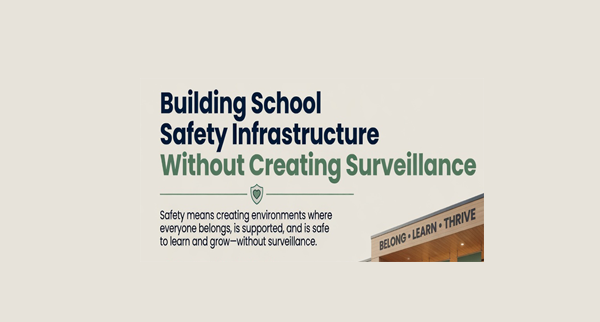
Sentinel Shield: Building School Safety Infrastructure Without Creating Surveillance
Most school-safety systems are judged by what happens after an emergency begins.
But long before a system is activated, schools must determine whether it can be trusted, governed, supported and integrated into daily operations without creating additional risk.
That is the standard shaping Sentinel Shield.
Sentinel Shield is being developed as a dedicated, staff-activated school-safety infrastructure system. It is not a personal-phone application, a classroom monitoring platform or a behavioural surveillance tool.
It is designed to shorten the critical period between a staff member recognizing that help is required and authorized responders knowing what has happened, who activated the request and where assistance is needed.
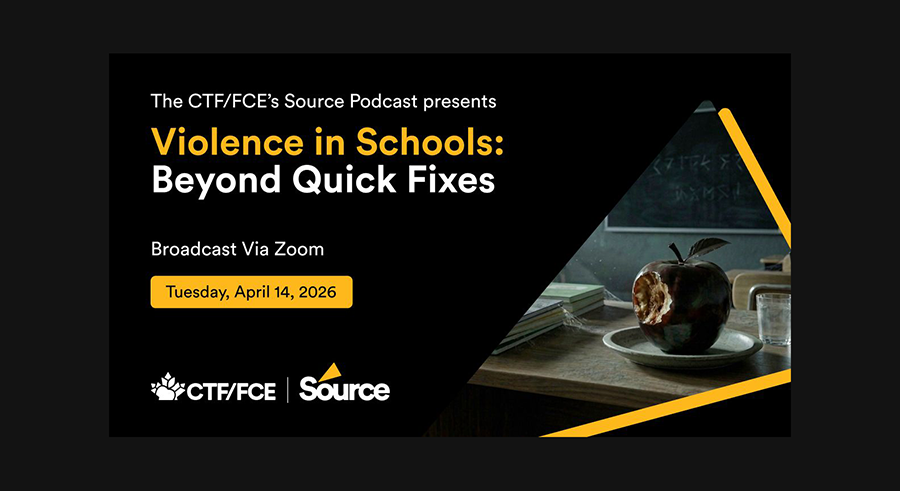
Violence in Schools: Beyond Quick Fixes
On April 14, 2026, I’ll be tuning into “Violence in Schools: Beyond Quick Fixes,” a national panel discussion presented by the CTF/FCE’s Source.This is an important and timely conversation.Across Canada, violence in schools is no longer viewed as isolated incidents, it’s a growing complex challenge that impacts educators, students, and the broader learning environment

Safety Infrastructure, Not an App: Why Sentinel Shield Was Built the Way It Was
Most school safety tools fail for the same reason:
they lead with software before authority, consent, or governance are settled.
Sentinel Shield was designed to avoid that failure mode entirely.
Developed by Sound Sentinel Corporation, Sentinel Shield is not a bolt-on app.
It is standalone safety infrastructure, engineered to survive union review, legal scrutiny, and real-world use before it ever asks for trust.
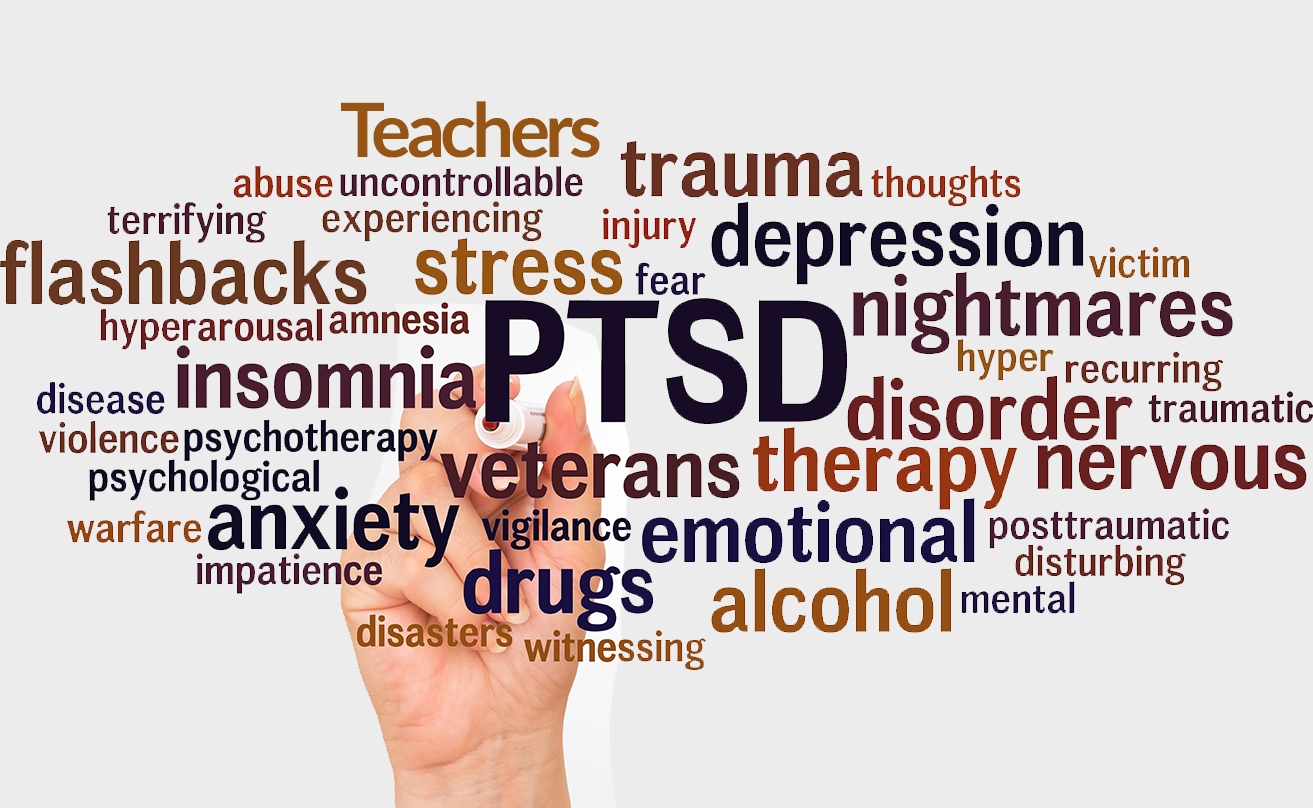
The Hidden Cost Curve: Violence, Physio, and PTSD
Violent incidents in schools do not end when the immediate situation is resolved. They initiate a secondary cost cycle that many district budgets and risk models fail to capture in full.
Post-incident costs commonly include:
Emergency response and internal investigations
Workers’ compensation and accommodation claims
Physiotherapy and physical rehabilitation
Long-term mental health support
Substitute staffing during recovery periods
Legal exposure, grievance handling, and case management
The Quiet Surge: K-12 Violence Has Increased and Schools Are Structurally Unprepared
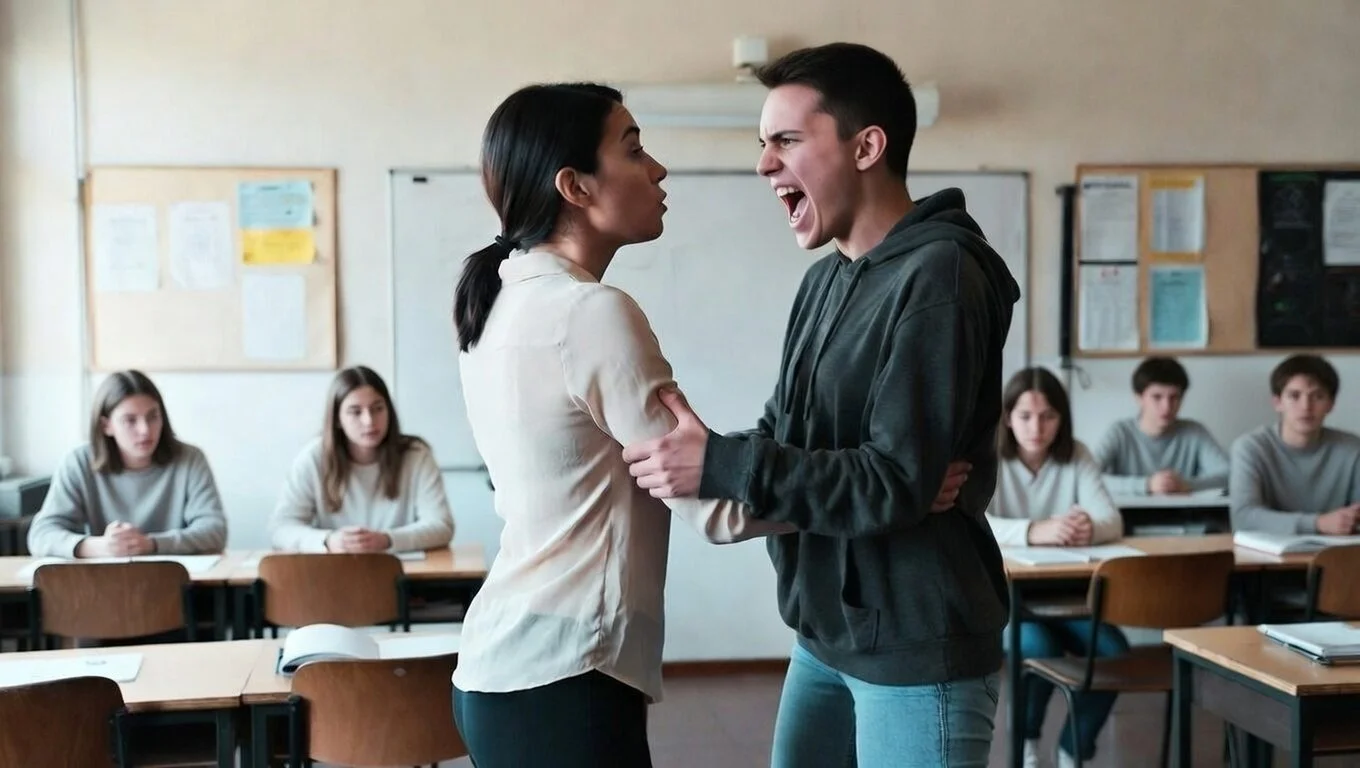
For much of the last five years, violence in K-12 schools has been discussed in fragments, isolated incidents, tragic headlines, or localized crises. What has been largely absent is a systemic acknowledgment of the pattern itself: school violence is no longer anomalous; it is structural.
Multiple provincial and state education ministries, workers’ compensation boards, and teachers’ federations have reported year-over-year increases in violent incident reporting since 2020, particularly incidents occurring during normal classroom activity. These incidents include physical assaults on teachers, threats involving weapons, medical emergencies triggered by escalation, and severe behavioral episodes. Importantly, this trend is not limited to firearms or rare extreme events. The majority of reported incidents involve hands-on violence, improvised weapons, and sudden escalation inside classrooms the very environments assumed to be controlled and predictable.
Burnout Is Not an HR Issue, It’s a Safety Failure
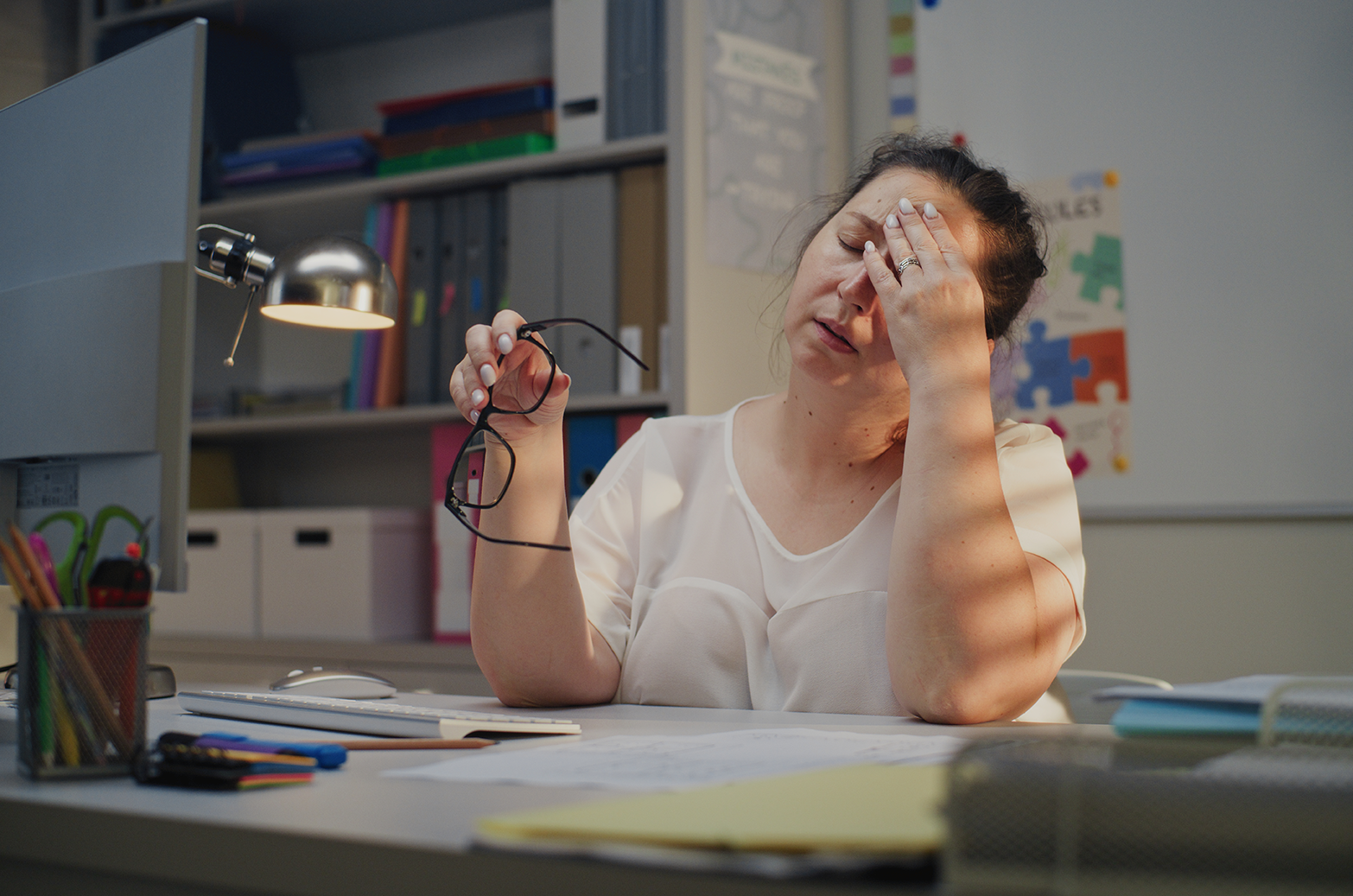
Teacher burnout is routinely framed as a morale or workload problem. That framing is incomplete—and increasingly ineffective.
While burnout has multiple contributors, unmanaged safety risk is the accelerant that turns pressure into exit. In today’s classrooms, teachers are routinely expected to manage de-escalation, crisis intervention, and personal safety alongside their instructional duties—often without consistent tools, clear response pathways, or reliable backup.